top of page

9 Signs Your Automation System Needs Reprogramming

9 Signs Your Automation System Needs Reprogramming

One of the main reasons to have an automated system is to achieve consistent results without needing to rely on a labor force to perform repetitive, strenuous tasks. You want to make sure that your hardware and software are working together to give you the same results every time without complications. However, just like any other equipment that you work with, you need to perform occasional maintenance or upgrades to keep it running.


Here are a few telltale signs your automation system needs reprogramming. Knowing what to look for can help you catch potential issues early on and save you from downtime, declining productivity, or workplace accidents.


1. Frequent System Errors and Fault Messages

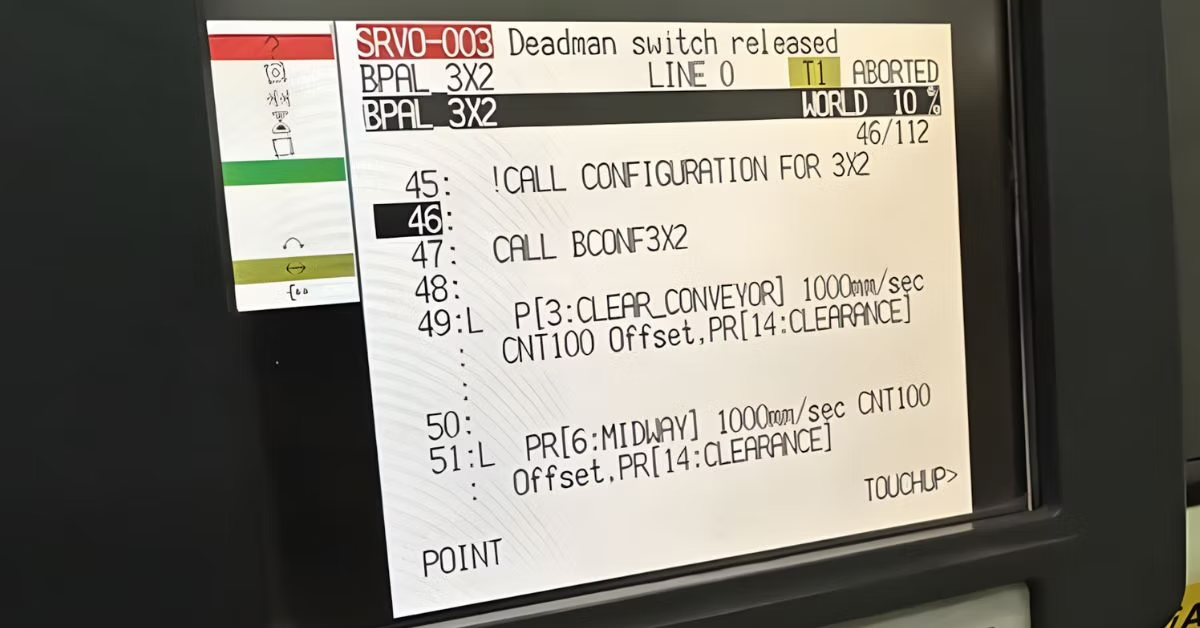
Automated systems can notify operators of software problems through error codes or fault messages. If you’re getting multiple error codes or alert messages, you’re likely dealing with faulty programming. If your system regularly gives you the same error code, it’s important to find what part of the system relates to that code number and see what the problem is. Systems that repeatedly display the same error codes indicate underlying programming logic issues that require correction.


One of the benefits of modern automation systems is that they keep track of logs and errors, which makes them a helpful tool for troubleshooting and gathering data. If your error patterns are occurring at specific times or only during certain operations, you can try to narrow down the cause. These patterns often reveal programming conflicts or outdated logic that no longer matches your current operational requirements.


2. Decreased Overall System Performance

One of the main functions of an automated system is to maintain consistent performance levels throughout each operational cycle. If you notice gradual slowdowns in processing time, reduced throughput, or longer cycle times, these are signs of programming inefficiencies. An outdated operating system or program can cause systems to work harder while producing less satisfactory results.


Performance degradation often occurs so gradually that operators adapt to slower speeds without realizing the impact on overall productivity. Try to keep data on your performance and baseline metrics to help identify when you may need to update your system or make programming adjustments to restore normal performance levels.


9 Signs Your Automation System Needs Reprogramming

3. Inconsistent Equipment Response Times

If your equipment isn’t responding to automation commands, it’s likely an issue with the programming. Consistent response times indicate healthy system programming, while erratic behavior suggests code problems or hardware-software communication issues. Motors that start at different speeds, actuators that operate with varying timing, or sensors that provide inconsistent readings all point to programming concerns.


Minor inconsistencies can throw off the timing and production of your entire system and lead to processing issues or quality control problems. You should address programming issues and see where your hardware isn’t reacting appropriately to keep it from impacting your final product.


4. Safety System Malfunctions or False Alarms

Safety systems require precise programming to protect personnel and equipment effectively. False alarms that trigger safety shutdowns unnecessarily cost valuable production time and may indicate programming logic errors. Another common issue is safety systems that fail to activate in the event of an emergency, which requires immediate action.


Modern safety systems integrate with automation programming through complex logic networks. If you make changes to production processes, modify equipment, or update safety requirements, you should also update the programming to make sure that it knows how to handle newer safely protocols.


5. Integration Problems With New Equipment

Adding new equipment to existing automation systems often reveals programming limitations or compatibility issues. New sensors, actuators, or control devices may not communicate properly with older programming logic, creating integration challenges that require programming updates.


Older systems may not be as compatible with newer equipment, and that can result in communication errors or difficulty with operating parameters. Successful integration typically requires programming modifications to accommodate new equipment capabilities while maintaining existing system functionality.


9 Signs Your Automation System Needs Reprogramming

6. Unexpected Process Variations

Another sign your automation system needs reprogramming is when you encounter unwanted variations in your system. Common concerns may involve temperature fluctuations in your heating system or extra pressure on your hydraulic systems. These can put stress on your hardware that eventually breaks down and leads to more issues with your automated systems.


These variations may appear minor initially but can significantly impact product quality and process efficiency over time. Identifying and correcting the programming causes of process variations helps maintain the consistent operations that automation systems should provide.


7. Difficulty Implementing Required Changes

As your business evolves, either through expansion or new safety regulations, you need to update your automation system with it. Your system likely needs comprehensive reprogramming when implementing seemingly simple changes becomes overly complex or impossible with existing programming.


Rigid programming structures that cannot accommodate new requirements limit your operational flexibility. Modern automation programming should support configuration changes without requiring extensive code modifications.


8. Communication Failures Between System Components

Automation systems work through constant communication with sensors, actuators, controllers, and human-machine interfaces. If there are any disruptions in that communication, it could stem from programming issues in your network configuration, data handling routines, or communication protocols.


Communication issues can lead to unpredictable system behavior that results in your system skipping steps, not completing certain movement guidelines, or complete system shutdowns that require a full reset before they can restore normal operations.


9. Operator Interface Problems and User Complaints

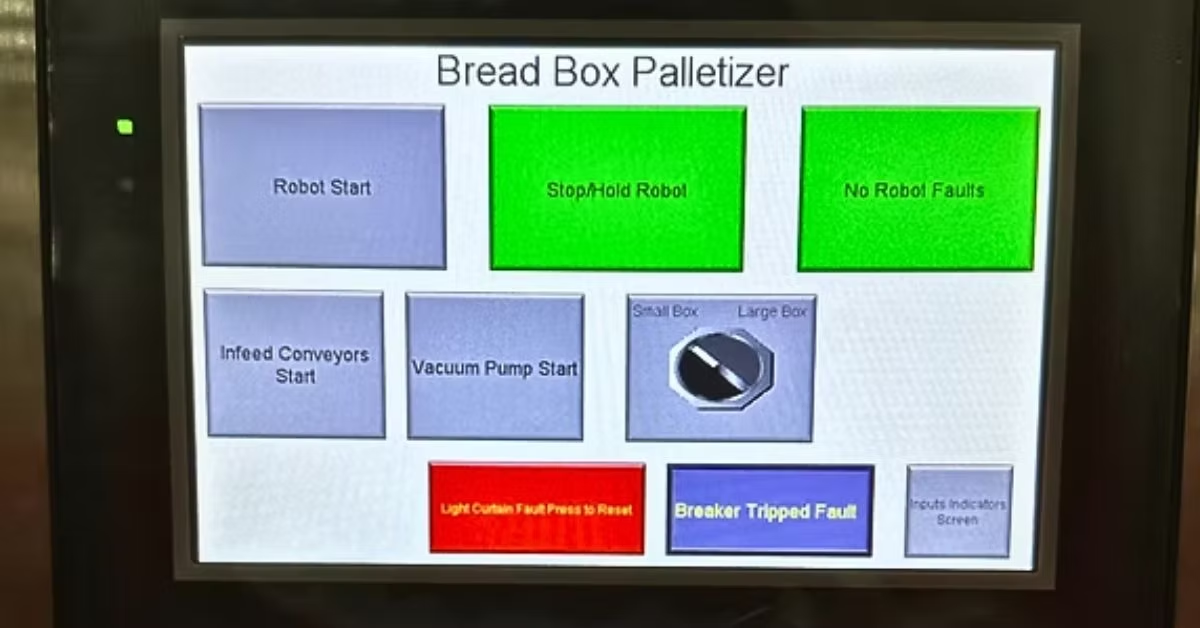
Human-machine interfaces provide the primary connection between operators and automation systems. When operators report confusing displays, unresponsive controls, or interfaces that don’t accurately reflect system status, programming updates may be necessary to improve usability and functionality.


Operators who use these systems every day should provide feedback data and help identify potential programming issues. Even when the systems are functioning correctly, understanding why and how things are running smoothly is an important factor that can help operators identify problems when they arise.


Take Action When Programming Issues Arise

Recognizing these warning signs enables proactive maintenance that prevents system failures and safety incidents. Document all observed issues with timestamps, operating conditions, and specific symptoms to help programming professionals diagnose problems accurately.


Partner with Jaeckels Industrial today to streamline your operations with advanced solutions such as robotic machine tending. We have years of experience working with automatic systems and can help provide troubleshooting issues for software and hardware to keep your system running smoothly and reliably. Contact us to discuss how we can elevate your production processes to the next level.


Comments


bottom of page