
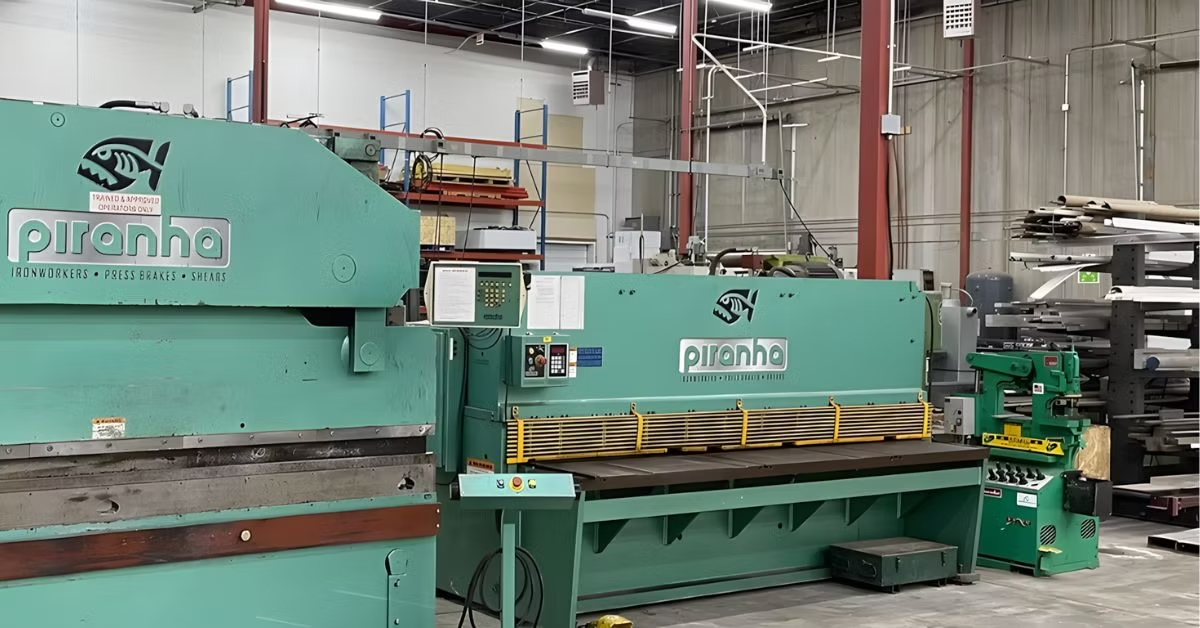
Modern manufacturing benefits from industrial metal fabrication in many ways. This process can help businesses create everything from simple tools to intricate components. While standard metal fabrication is a worthwhile option, there are some instances where you need customization to suit the specific needs of your automated systems. Consider the qualities of custom versus standard industrial metal fabrication to decide which option is best for your needs.
Understanding Metal Fabrication
Metal fabrication is the process of cutting, shaping, and bending raw materials into finished, functional products. This process is used across multiple industries, proving beneficial in automotive, construction, aerospace, and agricultural workspaces for setting up automatic assembly lines. The metal fabrication process can play a big role in product performance, durability, and efficiency.
Standard Industrial Metal Fabrication
Standard industrial metal fabrication refers to a process that uses predetermined designs, measurements, and specifications. The focus here lies in producing and delivering items that are universally applicable across multiple industries and needs. Manufacturers often use universal templates and procedures that rely on efficiency and uniformity, making standard fabrication a good option in most situations.
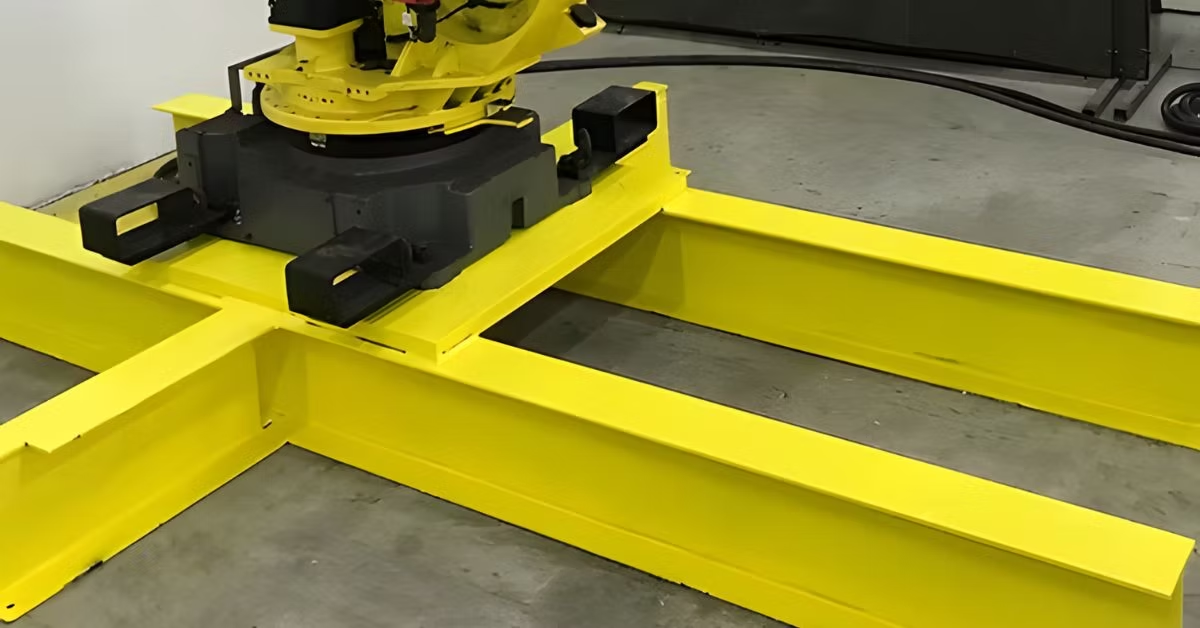
Several components utilize industry-standard sizes and shapes to maintain a sense of compatibility. These can include piping, beams, or structural components. Because it uses a set formula, the standard process helps meet the bulk demand that is a general requirement of most clients.
Custom Industrial Metal Fabrication
As the name suggests, custom industrial metal fabrication is when manufacturers create something with a unique measurement or other custom requirements instead of relying on standard templates or materials. It’s a specialized method that requires extensive collaboration between the manufacturer and client to make sure they adhere to all the proper specifications. Custom fabrication is ideal when off-the-shelf solutions do not fulfill technical requirements, design goals, or operational challenges.
Producing custom items may require additional work for designing and prototyping in order to meet certain measurements or be able to withstand specific environmental factors. For instance, a specialty component for a complex machine or a part built to accommodate unique environmental conditions may require custom fabrication. This process demands high levels of expertise, so it’s important for clients to work with a manufacturer who has an in-depth understanding of design engineering.
Efficiency and Cost Effectiveness
One of the benefits of standard fabrication is how easily it adapts to mass production. Because it uses preestablished templates and designs, standard metal fabrication greatly reduces the time a manufacturer has to spend on individual pieces. This approach is ideal for industries requiring high volumes of products quickly and affordably.
Because it eliminates the need for consulting with design engineers, producing prototypes, or testing highly specific configurations, businesses can get what they need faster and at a lower price point. The streamlined nature of standard fabrication also simplifies the supply chain, which is why it’s a popular option with clients looking for bulk production.
Application Specificity and Customization
Custom fabrication stands apart in its ability to accommodate unique operational needs. Certain businesses require irregular designs or have workplaces that require custom products to match their needs. This advantage supports a range of operations from one-off projects to ongoing systems with specialized requirements.
For example, if your mill operates in a niche market that requires distinct equipment, custom fabrication allows you to make sure every detail matches your specific operational needs. The ability to control materials, finishes, and tolerances ensures compatibility and performance without compromising quality or safety.
In contrast, standard fabrication is more helpful for those working with broader, more uniform needs. It helps maintain a level of compatibility across machinery, systems, and different components, making it a reliable choice for businesses with consistent design inputs and predictable outcomes.
Timeline Considerations
Many companies look for metal fabrication services with a deadline in mind. Those operating on a tighter deadline can benefit from the speed and efficiency that comes with standard fabrication. If any delay could lead to bottlenecks or downtime with your company, you might want to consider standard metal fabrication.
Manufacturers that rely on custom materials need to consider everything from initial consultations, to manufacturing, to testing and delivery and work with a lengthier time investment. Despite the longer timeline required for customization, this process allows companies to work with the specific parts that work for their system or production needs.
Material and Design Flexibility
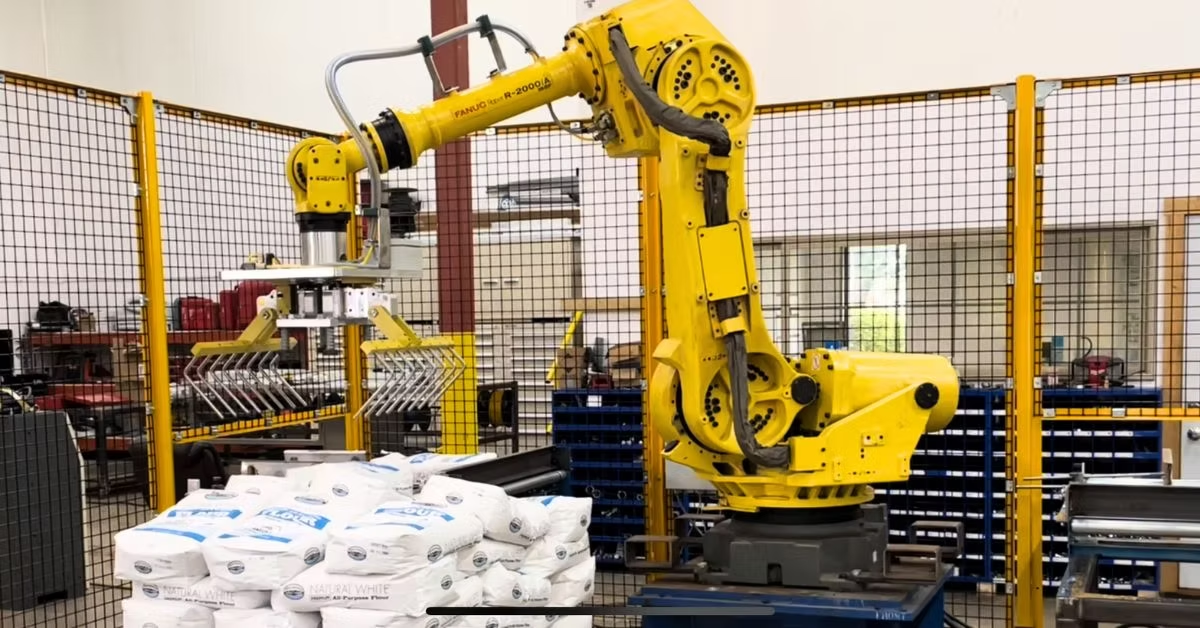
Another distinction between fabrication processes lies in material and design flexibility. Standard fabrication uses commonly available materials and adheres to preset design features, ensuring consistency across projects. This may limit creativity or the ability to address unconventional business needs.
Custom fabrication broadens the scope of both materials and design. Many manufacturers offering custom fabrication allow for more complex alloys, finishes, or coatings to serve project demands. Some workplaces may need to consider corrosion resistance or hypoallergenic properties and invest in something with a bit more versatility.
Choosing the Right Fabrication Approach
When considering custom versus standard industrial metal fabrication, businesses with straightforward needs or bulk demands may benefit more from standard fabrication due to its affordability and efficiency.
If you need something more intricate in terms of design or materials that will withstand environmental factors such as heat or humidity, a specialized custom design is the better option. The precision, adaptability, and longevity it offers often justify its higher cost and longer production timeline.
Before making a decision, consult with trusted fabricators who can offer valuable insights and recommend the best path forward. Their expertise will guide your business toward the solution that improves productivity and reduces operational hurdles.
Collaborating With Fabricators
Collaboration with your fabricator is important for both custom and standard processes. Open communication allows your fabricator to understand and meet the specifications of your workplace, even if you’re using standard templates. Start by providing them with as much information as possible in the form of sketches, CAD files, or blueprints to help them understand your needs.
Partner with Jaeckels Industrial today to gain the expertise of trusted industrial fabricators who offer precision and quality in every project. We’ll discuss your fabrication needs and discover tailored solutions that elevate your operations.
Metal fabrication is an important process for a wide range of businesses. While both custom and standard fabrications have their own benefits, your specific needs may boil down to your industry, workspace applications, and target objectives. Understanding the strengths and limitations of each ensures you select the option that delivers the best results for your operations.