
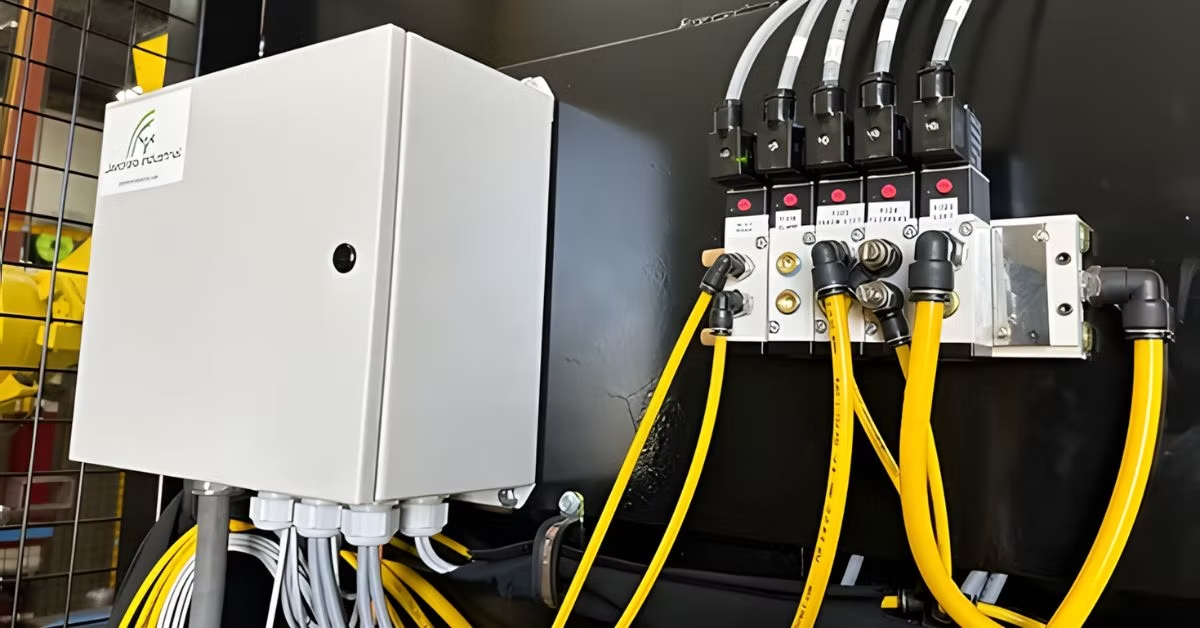
Automation is an increasingly popular and accessible option for businesses. Even smaller industrial plants can invest in optimizing production lines to increase operational efficiency. Automation can greatly change how a business operates, but the foundation of a successful system comes down to the control panel. These critical components can determine the performance and reliability of the entire system.
Jaeckels Industrial understands the importance of proper automation control panel design. We want to help smaller businesses understand how much it affects functionality, safety, maintenance, and scalability. If you’re launching a new business or just looking to upgrade your current system, these tips can guide you in the right direction.
Create a Thoughtful Panel Layout
The first step to achieving operational efficiency is to strategically design your automation control panel. You must consider the layout of the wiring, internal components, and control systems to determine how smoothly your system runs and how user-friendly it is. Poorly arranged panels create confusion and increase the likelihood of errors during operation or troubleshooting. Mixed-up wires or a confusing layout can ultimately lead to unnecessary downtime and frustrated workers.
Effective control panel designs incorporate systematic organization, grouping related components together for ease of access and clarity. Make sure your wires have open pathways, and provide clear labels so operators and technicians can spend less time navigating the system. A good design reduces human error and simplifies operation.
Safety Is at the Core of Control Panel Design
You can’t neglect safety when it comes to your automated systems. The design and layout of your control panel can support a safer atmosphere for your workers. A faulty panel may experience issues with overheating components, electrical hazards, or software malfunctions, leading to employee risk and compromised equipment.
Address these safety concerns by maintaining a safe enclosure, heat dissipation systems, and adequate circuit protection. In addition, ensure your panels and systems comply with regulatory safety requirements. All systems should have emergency shut-down mechanisms, surge protections, and isolated faulty circuits.
The Importance of Proper Automation Control Panel Design
Seamless System Integration
One of the most important factors of an automated system is how it integrates with existing machinery, processes, and hardware. Establishing a reliable control panel can make this integration more straightforward and prevent disruptions.
Proper design considers compatibility with other systems and allows automation tools to communicate seamlessly with enterprise resource planning (ERP) software, monitoring systems, and other infrastructure. Make sure your panel aligns with industry communication standards such as the EtherNet/IP. This enables real-time data sharing, which improves decision-making and oversight across your business operations.
Durability That Withstands Operational Demands
Businesses depend on automated systems to perform consistently under demanding conditions, whether that’s high humidity, extreme temperatures, or vibrations from surrounding equipment. It’s crucial to take all these factors into consideration when designing your control panel. Take a moment to think about the environmental hazards specific to your region or industry, and apply those to your design.
Many enclosures utilize materials like stainless steel or thermal plastics to protect against some of these factors. You can prevent overheating by implementing cooling solutions like ventilation fans or heat sinks that can also prolong the lifespan of the internal components. Durability is another important factor to consider as it can minimize repair costs and downtime down the road. Preventative measures protect your systems and make them more reliable and cost-effective over time.
Simpler Maintenance and Troubleshooting
When systems run into issues, the ability to quickly identify and resolve them can make a big difference in your business operations. Faulty panel design can complicate troubleshooting efforts, leading to more downtime and less efficient repairs.
Streamline maintenance issues as much as possible by ensuring that your system has accessible terminals, clearly labeled elements, and diagnostic indicators. Organizing wiring and modular components allows technicians to address these issues without excessive dismantling. A streamlined design can enable your team to perform these inspections and tune-ups more efficiently, reducing strain on your maintenance schedules and keeping your systems in optimal condition.
The Importance of Proper Automation Control Panel Design
Scaling Automation Systems for Growth
For small and medium-sized businesses planning to grow, scalability is an important consideration. If you’re looking to expand your operations, consider designing your control panels with growth in mind to help your business evolve.
Expansion-ready panels anticipate possible add-ons, including additional inputs, sensors, or integration with newer systems. By incorporating modular designs and leaving room for upgrades, scalable panels save businesses from complete overhauls when growth demands more automation. Foresight in control panel design today can pave the way for effortless transitions and long-term benefits tomorrow.
Enhanced Productivity for Smaller Businesses
Proper automation control panel design is important for businesses with little experience in automation. Automation allows companies to streamline repetitive manual tasks, from assembly lines to order fulfillment processes. However, without a reliable control panel design, automation systems may perform inconsistently, slowing down production rather than enhancing it.
By establishing and designing an effective control panel, smaller businesses can maximize their uptime and boost productivity by maintaining a consistent output. This is especially beneficial for smaller companies that depend heavily on reliable equipment to meet demand and maintain a competitive edge in the market.
Upfront Design Investment Saves Costs Long-Term
Some businesses shy away from appropriate automation control panel design due to perceived costs. However, failing to properly design and maintain your panel from the beginning can lead to higher costs over time due to frequent repairs, inefficiencies, or system overhauls.
Investing in proper panel design eliminates inefficiencies and reduces recurring maintenance costs, providing businesses with better returns over the lifespan of their automation systems. This provides a fantastic cost-saving opportunity for smaller companies that can’t afford to overlook common problems.
Investing in the Right Design for Sustainable Success
Automation is an evolving asset for businesses, and its success depends on laying a strong foundation with proper control panel design. From enhancing safety to enabling scalability, investing in professional and thoughtful design ensures efficient operations, consistent productivity, and long-term business success.
Jaeckels Industrial is an industrial automation company that can help you streamline your operations and achieve your business goals. Rely on our expertise to upgrade your existing systems or build a new system from the ground up. Reach out now, and take the first step toward a smarter, more efficient future.