
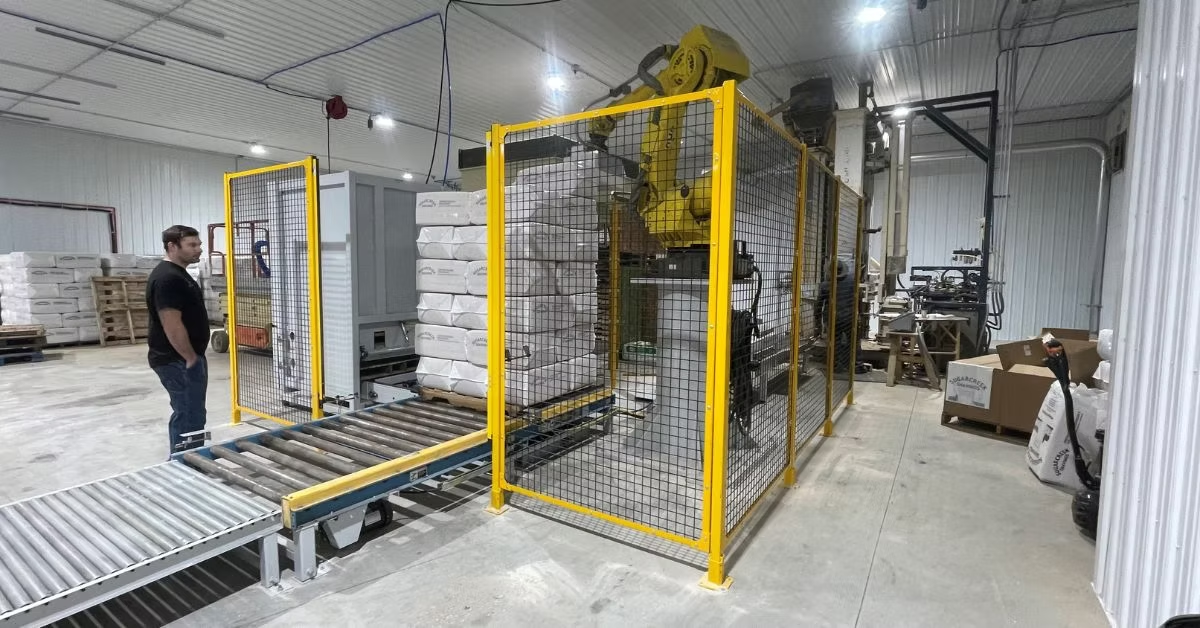
Many industries use robots for manufacturing and processing operations. Everything from textile mills to food processing facilities benefits from automation and industrial robotics. These systems can improve productivity, offer consistently precise results, and handle tasks that are repetitive or physically demanding for human workers. However, implementing a robotic system into your operations requires careful attention to safety protocols and management strategies.
Smaller businesses may struggle with implementing some of these systems because of their budget, the size of their team, or their limited experience with automation. Fortunately, Jaeckels Industrial is here to help with our ultimate safety guide to industrial robotics. We will discuss safety considerations and daily operational procedures that will keep operations running smoothly.
Understanding Industrial Robot Hazards
The best way to avoid safety issues with industrial robots is to understand the types of risks that they can pose. The most apparent examples are mechanical issues, as robots may crush, strike, or trap workers who unexpectedly enter their operating space. The sheer force that these machines generate during normal operation can cause severe injuries or fatalities if proper safety measures fail.
It’s also important to understand electrical issues, especially during maintenance and repair processes. High-voltage components power your robotics systems, and improper handling may result in electrical burns, shocks, or electrocution. Many pneumatic or hydraulic systems can cause robotic movement, even if the power appears disconnected.
Remember to keep all environmental hazards in mind, especially if your robotic systems handle dangerous materials or operate in hazardous conditions. Processing chemicals, high-temperature materials, or materials that generate dust particles, creates additional risks.
Conducting Proper Risk Assessments
You can greatly minimize accidents by performing a mandatory risk assessment before you begin operations. This process involves identifying all potential hazards associated with the robotic system, evaluating the likelihood and severity of potential incidents, and determining appropriate control measures.
Your business should understand and document every aspect of your robotic system operations, including normal working procedures, maintenance schedules, and emergency protocols. Performing this assessment gives you a chance to consider the potential risks of the robot itself and how it can affect the surrounding environment, other equipment, and human workers.
Conduct a risk assessment whenever your operational parameters change, for example, when expanding your system or changing employee responsibilities. Maintaining up-to-date evaluations can keep your safety measures relevant as conditions evolve.
Implementing Safeguarding Systems
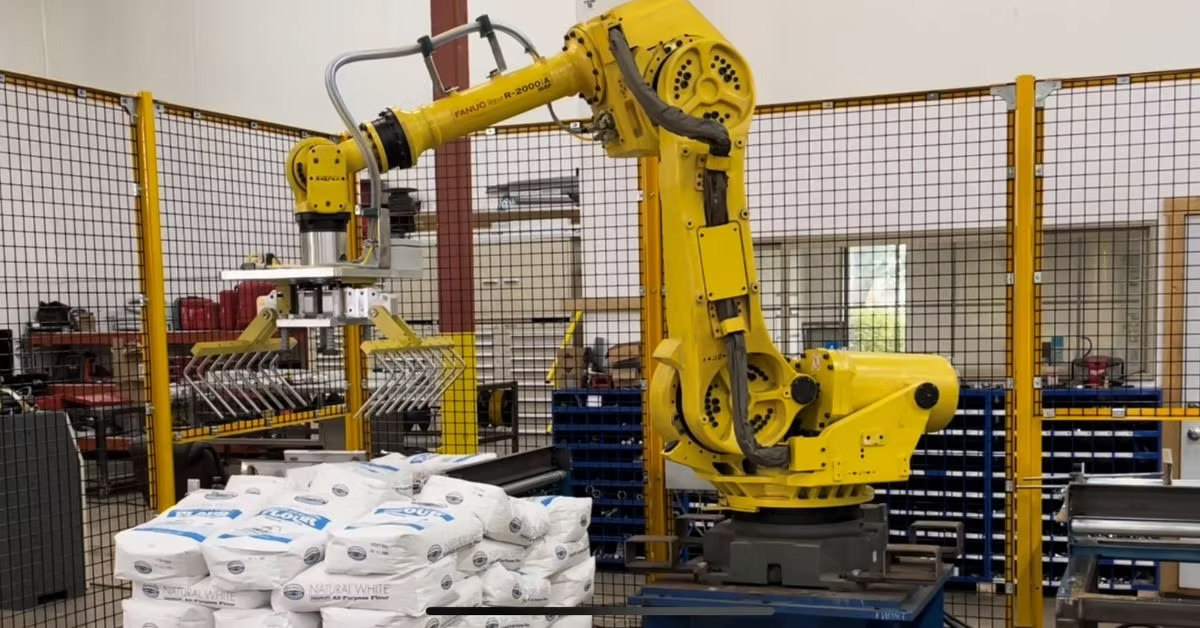
Robotic systems should have physical safeguards to keep workers out of their reach. These systems prevent unauthorized access to the robot’s work areas and may include automatic shutdowns if they detect motion. A proper safeguarding system should include adequate lighting, perimeter fencing, and pressure-sensitive mats to shut down the system if necessary.
Your robotic system should also have emergency stop systems in multiple locations that are easy to access in the event of an emergency. A proper shutdown system should immediately halt all robot motion and related equipment. Perform regular tests of all shutdown stations to make sure they’re functioning properly when you need them the most.
Establishing Lockout/Tagout Procedures
A helpful safety tip for industrial robotics is to provide essential protection and safeguards during maintenance and repair. These procedures ensure that all energy sources powering the robot system are properly isolated and secured before workers begin maintenance tasks.
Your business should be aware of every energy source that goes into your robotic systems, including electrical power, pneumatic or hydraulic pressure, and even stored mechanical energy. Each one of these energy sources should have specific lockout procedures to ensure that there’s no accidental activation during maintenance.
Training Personnel Effectively
The best way to reduce the risk of accidents around your robotics is to offer comprehensive staff training programs. Personnel who work with or near robotic systems should understand all safety requirements and responsibilities, as well as how to initiate emergency shutdown procedures. Regularly reinforcing this information gives your staff a better understanding of the system.
It’s especially important to make sure all new employees receive extensive orientations before working anywhere near the robotic systems. This training should cover hazard recognition, proper operating procedures, emergency response, and the safety features of each robot system they will encounter.
Developing Emergency Response Plans
While having emergency shutdown stations is beneficial, your business should also establish personnel plans on how to react quickly and appropriately when robot-related incidents occur. These plans should cover a wide range of emergency scenarios, including everything from minor injuries to major equipment failures that could result in evacuation.
We recommend establishing communication procedures and codes so that everyone receives emergency service information as quickly and accurately as possible in the event of an operational incident. Make sure to properly label all evacuation routes and keep them clear of clutter to help personnel get out of harm’s way.
Regular emergency drills test the effectiveness of response plans and identify areas for improvement. These exercises should include realistic scenarios that challenge personnel to apply their training under simulated emergency conditions.
Managing Facility Layout and Workflow
Paying attention to the layout of your facility can minimize risks by limiting human-robot interactions. Separating these work zones as much as possible creates clearly established automated and manual work areas. Keep a safe space between these areas, and create easily accessible paths for workers who must access automated zones.
Workspace design should provide adequate clearance around robotic systems for normal operation, maintenance access, and emergency response. Cramped conditions increase the likelihood of accidents and make emergency response more difficult.
Selecting Appropriate Personal Protective Equipment
All staff working near robotic systems should have access to reliable and up-to-date personal protective equipment (PPE). The type of PPE for a given task may vary depending on the nature of your business but typically includes hard hats, safety gloves, goggles, and protective vests. Steel-toed boots also protect against common hazards. Specialized equipment may be beneficial if you work in an industry that handles chemicals, hot materials, or tasks that require extra equipment, such as welding masks.
Maximizing Safety in Your Operations
Industrial robot safety requires comprehensive planning, proper implementation, and ongoing commitment to continuous improvement. Understanding the potential risks, maintaining your robotic systems, and training all staff on protocols can significantly reduce workplace accidents.
Partner with Jaeckels Industrial today to ensure your operations are both safe and efficient. With expertise in custom metal fabrication, we provide tailored solutions designed to meet your unique needs while prioritizing safety and quality at every step. Contact us to learn how we can enhance your production processes!